

Guest safety is one area where a vacation-rental host cannot afford to rely on appearances or assumptions.
A property may be beautifully furnished, professionally cleaned and filled with thoughtful amenities, but none of those details matter if basic hazards have been overlooked. Smoke, carbon monoxide, cooking fires, slippery stairs and poorly protected deck openings can turn into serious emergencies quickly—especially when guests are unfamiliar with the home.
Across our vacation rentals, we use a combination of alarms, fire-safety products, physical safeguards, emergency information and exterior monitoring. Some were included from the beginning. Others were added after operating the properties and discovering risks that were not immediately obvious.
This is not a universal code-compliance checklist. Building codes, fire regulations, insurance requirements and short-term-rental rules vary by location. Instead, this is a practical look at the safety measures we use in our own properties and the lessons we have learned firsthand.

1. Smoke Alarms in the Right Places
Every vacation rental should have working smoke alarms positioned according to local code and the manufacturer’s instructions.
The U.S. Fire Administration recommends installing smoke alarms inside every bedroom, outside each separate sleeping area and on every level of the home, including the basement. Alarms should be installed on the ceiling or high on a wall according to the manufacturer’s placement instructions.
We use a combination of interconnected and smart smoke alarms. Interconnected alarms provide an important advantage: when one alarm detects smoke, all connected alarms sound. That can be especially valuable in a multilevel home where guests sleeping upstairs may not immediately hear an alarm in the basement or kitchen.
Our smoke alarms sometimes activate when guests are preparing breakfast. Although cooking-related alarms can be frustrating, an alarm should never be disabled or have its battery removed. If nuisance alarms occur frequently, the better response is to have the placement, alarm type and ventilation evaluated without compromising required coverage.
A sounding alarm shows that it can detect smoke, but it does not replace routine testing. Official guidance recommends testing smoke alarms monthly and replacing the entire alarm according to its service life—commonly every 10 years for smoke alarms.
2. Carbon-Monoxide Alarms—and the Near Miss That Proved Their Value
Carbon monoxide is particularly dangerous because it is colorless and odorless. Guests may not recognize that exposure is occurring, and early symptoms can resemble the flu.
We experienced an incident that permanently changed how seriously we view CO protection.
A generator had been installed improperly, with its exhaust facing a basement window. On a windy day, exhaust was pushed toward the window and carbon monoxide entered the basement. A functioning CO alarm alerted us to the danger before the situation became a disaster.
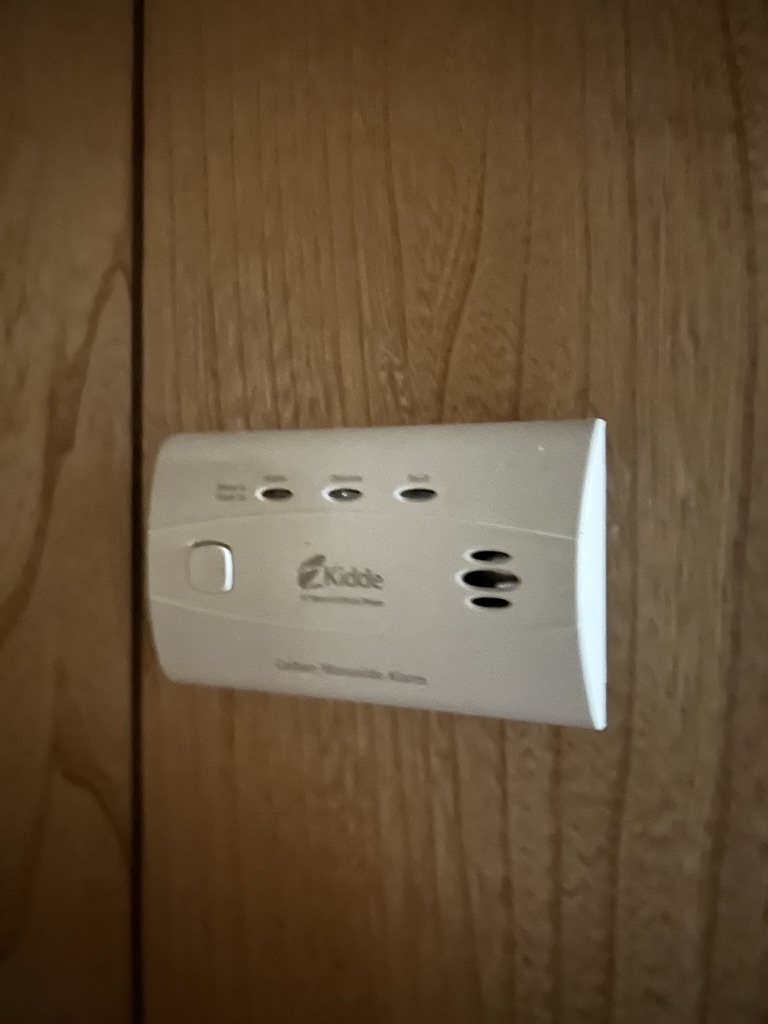
The generator was subsequently moved farther from the house. We also had our generator installations evaluated and completed by licensed, Generac-authorized professionals.
This experience taught us that generator installation requires more than making the necessary electrical connections. Placement, exhaust direction, required clearances, fuel connections, ventilation, automatic-transfer equipment and manufacturer specifications must all be considered together. For our properties, we now rely on professionals specifically trained and authorized to install Generac systems—not simply a general electrician without generator-specific expertise.
The CO alarm served as a critical last line of defense, but the lasting solution was correcting the unsafe installation.
We use both smart and interconnected smoke and CO detectors. Current CPSC guidance recommends CO alarms on every level of the home and outside sleeping areas. Interconnected alarms offer an additional layer of protection because one detected event can activate alarms throughout the property.
This experience reinforced two important lessons: safety devices must be installed and maintained, and the equipment that creates a risk—including generators, heating systems and fuel-burning appliances—must also be installed correctly. An alarm is a critical backup, but it should never compensate for an unsafe installation.
3. Fire Extinguishers Near Cooking Areas
Cooking is one of the most common activities in a vacation rental, particularly in homes designed for families and large groups. Guests may be using an unfamiliar stove, oven, grill or countertop appliance while preparing a much larger meal than they normally would at home.
We keep fire extinguishers in the kitchen near the oven and primary cooking appliances. They are visible and accessible rather than hidden behind stored supplies.
On one occasion, we arrived at a property and found that a fire extinguisher had been completely discharged. We were not present and cannot speak to the exact circumstances, so we do not know what type of incident occurred. What we do know is that the extinguisher was available when someone decided it was needed.
A discharged extinguisher should be replaced or professionally serviced immediately. Hosts should also inspect extinguishers for a readable pressure gauge in the proper range, visible damage or leakage, a missing safety pin or seal, an obstructed location, manufacturer service requirements and evidence that the extinguisher has been discharged.
Guests should never be encouraged to remain in a dangerous situation to fight a fire. They should evacuate and contact emergency services whenever a fire cannot be controlled safely and immediately.
4. Fire Blankets as a Supplemental Kitchen Tool
We also keep fire blankets in the kitchen near the cooking area.
A fire blanket can provide an additional option for certain small, contained fires when used according to its instructions. Its value is partly its simplicity: it does not require aiming a pressurized extinguisher, and it can be stored in a clearly marked, accessible location.
However, a fire blanket should supplement—not replace—proper smoke alarms, an appropriate fire extinguisher, safe cooking practices and a clear evacuation plan.
Hosts should verify that any fire blanket they purchase meets applicable safety standards and includes clear instructions. Extremely inexpensive or poorly documented products should not automatically be trusted simply because they are advertised as safety equipment.
5. First-Aid Kits Guests Can Actually Find
Every one of our properties has a first-aid kit stored in the kitchen.
The kitchen is a logical location because it is easy for guests to identify and is typically near the center of the home. The exact location should be included in the welcome guide so guests do not have to search during an injury.
A useful kit may include adhesive bandages in multiple sizes, sterile gauze and medical tape, antiseptic wipes, disposable gloves, tweezers, scissors, cold packs, burn dressings or gel and a first-aid guide.
The kit must be inspected and replenished. A first-aid box is not helpful if previous guests have used the most important supplies or if packaged items have expired.
We do not stock prescription medication, and hosts should think carefully before supplying over-the-counter medication because of allergies, contraindications, expiration dates and potential liability.
6. GFCI Protection in Wet Areas
Our properties use ground-fault circuit-interrupter outlets—commonly called GFCI outlets—in appropriate areas.
These outlets are designed to reduce the risk of electrical shock by interrupting power when they detect an imbalance in the electrical current. They are especially important around kitchens, bathrooms, garages, basements, laundry spaces and outdoor areas, subject to the electrical code that applies to the property.
GFCI protection should be installed and evaluated by a qualified electrician. Hosts should also test the outlets according to the manufacturer’s instructions and address any receptacle that will not reset or repeatedly trips without an obvious explanation.
7. Railings, Deck Gates and Fall Prevention
Some of the most important safety improvements are not electronic.
At one property, the deck had stair access points without closing gates. That created a risk for families with young children and for anyone moving around the deck without realizing the stairs were nearby. We added gates at the deck stair openings.
We also use secure stair railings, anti-slip strips on potentially slippery steps, proper exterior lighting, clear walking paths and routine inspections for loose boards, fasteners and handrails.
These improvements were based on the actual layout of the property rather than a generic checklist.
Every host should walk through the home as though visiting it for the first time. Guests do not know which step becomes slick in the rain, where the deck changes elevation or which doorway opens directly toward a staircase. Hosts should inspect these areas during different conditions, including after rain, during winter weather and at night.
8. Exterior Cameras Without Compromising Privacy
We use exterior security cameras to monitor outdoor areas leading to property entrances. The cameras are disclosed in every applicable listing.
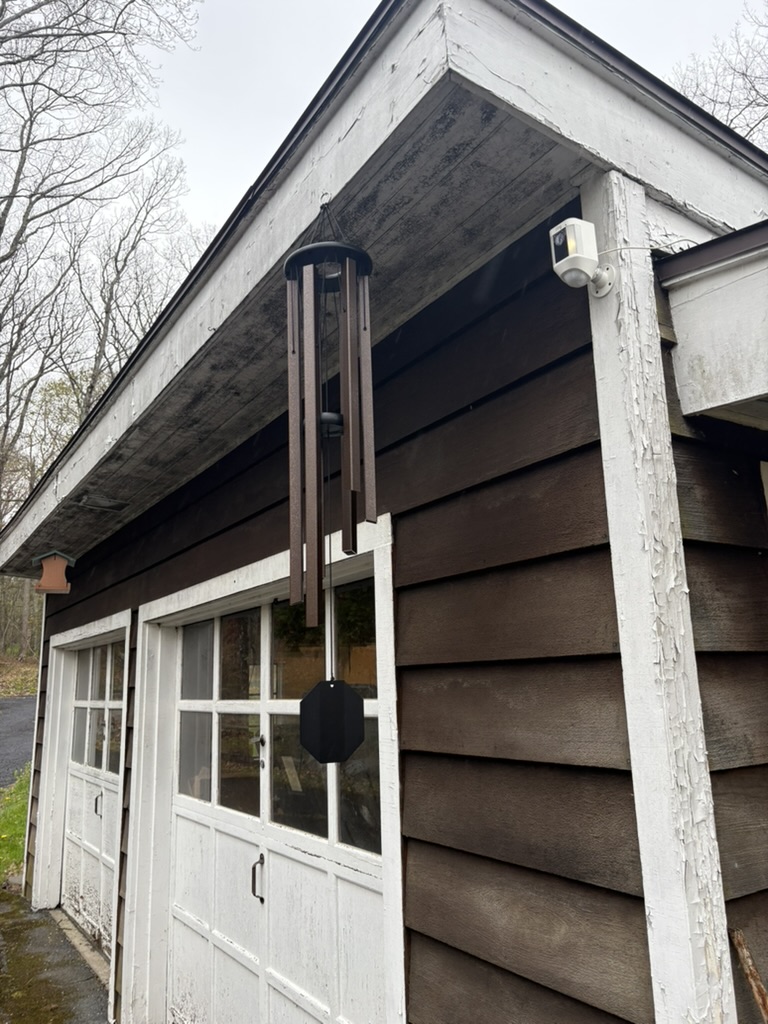
Exterior cameras can help confirm arrivals, monitor entrances, identify unauthorized access, review an exterior safety incident and protect the property while it is vacant.
Exterior cameras must never become an excuse to compromise guest privacy. Airbnb prohibits cameras that monitor indoor areas, even if those devices are switched off. Exterior cameras must be disclosed and cannot monitor outdoor spaces where guests reasonably expect greater privacy.
Hosts must follow the rules of every booking platform they use, as well as applicable surveillance and audio-recording laws.
9. Emergency Information Guests Can Find Quickly
Our physical and digital welcome materials include the property address, emergency-service information, local police and fire contacts when appropriate, nearby hospitals and urgent-care facilities, host contact information and instructions for reporting a safety or maintenance issue.
The property’s complete address is especially important. In an emergency, a guest may not remember the street address of a home they arrived at only hours earlier.
Emergency information should be concise, clearly labeled and easy to locate. It should not be buried inside restaurant recommendations or a lengthy list of house rules.
We provide the information digitally and at the property so guests can still access it if their phone is unavailable or the internet is down.
10. Backup Power and Professional Generator Installation
Our homes have whole-house Generac generators with automatic transfer switches.
The generators are useful for maintaining heat, refrigeration, lighting and other essential systems during an outage. In a cold-weather market, an extended loss of power can create more than an inconvenience. It can affect guest comfort, frozen-pipe protection and the safe operation of the property.
Still, our CO incident showed that backup power equipment can create its own hazards when improperly installed.
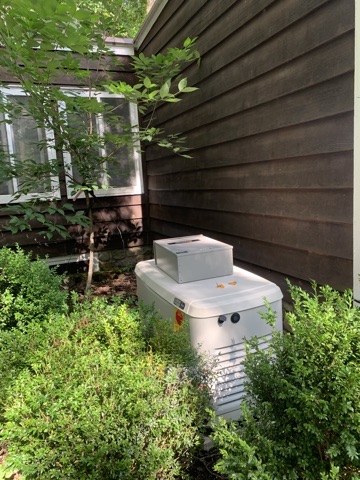
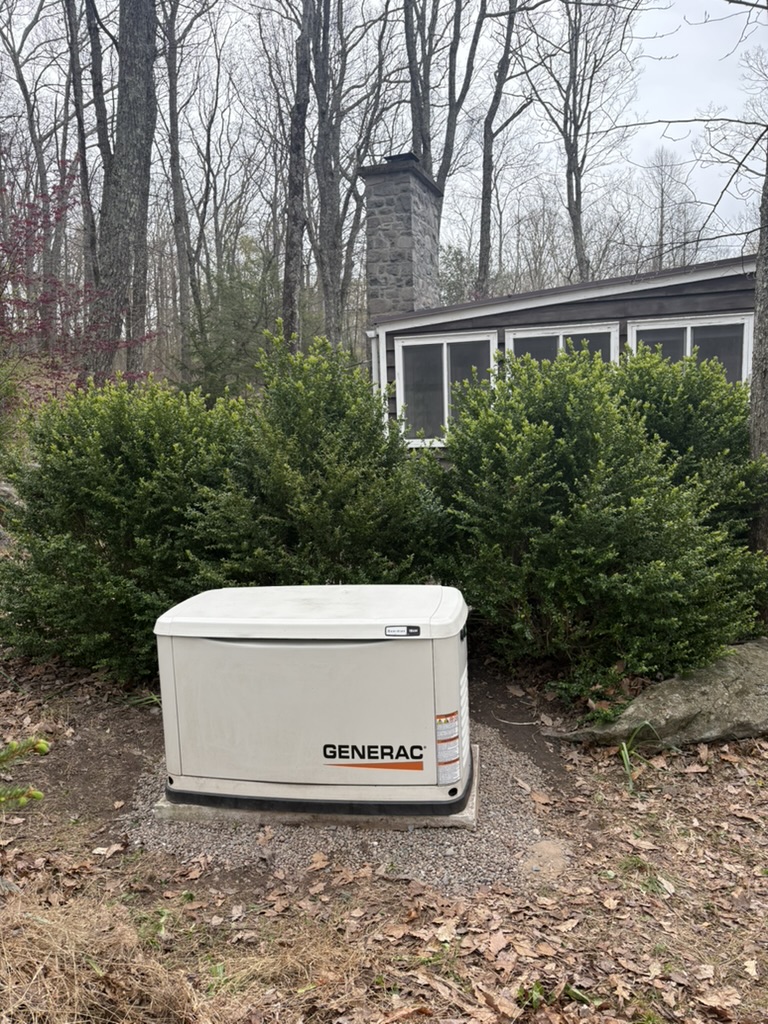
A whole-house generator can protect the guest experience during an outage, but it must be treated as fuel-burning safety equipment. A qualified, manufacturer-authorized installer should evaluate placement, exhaust, clearances, fuel supply and transfer equipment according to current codes and manufacturer requirements. An alarm is essential backup protection; it is not a substitute for a safe installation.
11. Inspection Schedules Matter as Much as the Products
One of the most common safety mistakes is installing equipment and assuming it will remain ready forever.
We conduct quarterly inspections of battery-operated devices as part of our property-maintenance process. That broader inspection is useful for checking device condition, installation dates, damage, battery status and replacement needs.
However, current federal guidance recommends testing smoke and CO alarms monthly. Batteries should generally be replaced at least annually unless the device uses a sealed long-life battery, and the entire alarm must be replaced when it reaches the end of its manufacturer-specified service life.
Monthly
- Test smoke and CO alarms
- Confirm exits remain accessible
- Inspect stairs, railings and walking surfaces
- Confirm emergency information is present
During Turnovers
- Check that first-aid supplies remain stocked
- Confirm fire extinguishers and blankets are present
- Look for damaged outlet covers, gates or anti-slip strips
- Report missing or tampered-with safety devices
Quarterly
- Conduct a more thorough property-wide safety inspection
- Review alarm installation and battery condition
- Inspect extinguisher gauges and seals
- Test GFCI outlets according to manufacturer guidance
- Review exterior cameras and lighting
- Examine railings, gates, steps and deck surfaces
Annually or as Required
- Service generators and fuel-burning equipment
- Replace expired or depleted safety supplies
- Review local codes and licensing requirements
- Confirm insurance requirements
- Review platform rules
- Replace devices approaching the end of their service life
The exact schedule should follow local requirements and each product manufacturer’s instructions.
What Hosts Commonly Overlook
From our experience, the most frequent problem is not the complete absence of safety equipment. It is a lack of continued inspection.
An extinguisher can be discharged. A first-aid kit can be emptied. A battery can die. A deck gate can loosen. An anti-slip strip can begin peeling away. An exterior light can burn out. A regulation or platform policy can change.
A product that was installed years ago is not necessarily a product that is ready today.
Our Practical Vacation-Rental Safety Checklist
- Smoke alarms in required locations
- CO alarms in required locations
- Interconnected alarms where practical or required
- Accessible fire extinguishers
- Fire blankets near cooking areas as supplemental protection
- Stocked first-aid kits
- GFCI protection in applicable locations
- Secure railings and deck gates
- Anti-slip protection on hazardous stairs
- Adequate exterior and emergency lighting
- Clearly disclosed exterior cameras
- Visible emergency contacts and the property address
- Clear evacuation routes
- Professionally installed and maintained generators
- A documented testing, inspection and replacement schedule
The list should then be expanded based on the home itself. A property with a fireplace, firepit, grill, pool, hot tub, steep stairs, waterfront access or severe winter weather will require additional planning.
Is the Investment Worth It?
Absolutely.
Most of these products are not exciting purchases. Guests may never mention the smoke alarms, GFCI outlets, fire extinguisher or anti-slip strips in a review. Ideally, they will never need to use many of them.
That does not reduce their value.
The CO alarm that activated during our generator incident may have prevented a tragedy. The deck gates and anti-slip strips address hazards before a guest is injured. The extinguishers, fire blankets and first-aid kits are available if something goes wrong. Emergency information helps guests respond without wasting critical time.
Good safety planning is often invisible when it works. That is precisely the point.
Important Disclaimer
This article describes our firsthand experience operating vacation rentals and is provided for general informational purposes only. It is not legal, engineering, electrical, fire-code, medical or insurance advice.
Hosts should consult their local building and fire authorities, insurance provider, licensing agency, qualified contractors and product manufacturers. Safety requirements differ by jurisdiction, property type and booking platform.
Sources
- U.S. Fire Administration: Smoke Alarms
- U.S. Consumer Product Safety Commission: CO Alarms
- U.S. Fire Administration: Hotel and Vacation Rental Fire Safety
- Airbnb: Security Cameras and Recording Devices
Disclosure
We purchased the safety products discussed in this article for use in our vacation rentals. We are not currently affiliated with the manufacturers or service providers mentioned.
This article may eventually contain affiliate links. If you purchase through an affiliate link, Host-Tested Essentials may earn a commission at no additional cost to you. Our recommendations are based on firsthand operating experience.


Leave a Reply